


Taurine has a history rooted in curiosity and trial-and-error. In the early 19th century, German scientists isolated a unique sulfur-containing compound during experiments with ox bile. They labeled it “taurine” from the Latin “taurus” for bull, though the story seldom matches the marketing myths we hear in energy drink ads. Throughout the twentieth century, researchers noted its prevalence in animal tissues, especially in the heart, brain, and muscle. Pharmacologists and nutritionists dug deeper, tracing taurine’s path from animal origins to manufactured supplement. Once the food and beverage industry spotted its potential, taurine’s journey leaped from the lab to global store shelves.
Today’s taurine comes mostly from synthetic production rather than natural extraction, which keeps prices down and output steady. You’ll spot it on ingredient lists for energy drinks, infant formulas, pet food, and even some cosmetics. In the food business, manufacturers add it for its supposed role in alertness, metabolism, and heart health. Pharmaceutical companies explore its use to treat certain muscle and heart conditions, and biologists keep taurine close at hand for lab research. Sometimes people forget taurine isn’t just one more vitamin or amino acid—it belongs in a different class as a simple sulfur compound.
Taurine looks like a plain, white, odorless powder at room temperature, dissolving well in water but resisting oily solvents. It has a molecular formula of C2H7NO3S and melts above 300°C without breaking down—meaning it handles heat better than most other supplements. Unlike many amino acids, taurine doesn’t build proteins, but supports cellular stability, bile salt formation, and antioxidant defenses. Its distinctive sulfonic acid group, rather than the carboxylic acid found in typical amino acids, gives taurine both stability and versatility in both food formulations and chemical reactions.
Manufacturers and regulators set clear rules for taurine’s purity, moisture content, and heavy metal limits. Pharmaceutical-grade taurine often carries over 99% purity, and food-grade standards follow the same high bar. Labels quote content per serving in milligrams, alongside claims of “No animal sources” or “Vegan-friendly” where applicable. Vitamin regulations worldwide demand clear, honest communication, so each batch faces chemical analysis and documentation. Label transparency matters. Parents choosing infant formula want certainty on composition, and athletes want accurate info on supplements. In recent years, increasing pressure for traceability and sustainability has entered taurine’s supply chain, just as with other additives.
Modern taurine production relies almost completely on chemical synthesis, usually starting from ethylene oxide or aziridine feedstocks. One common route runs from monoethanolamine, which reacts with sulfurous acid and sodium hypochlorite, forming a stable crystalline product. Older extraction from animal bile is rare now, partly because of cost and public perception, partly for ethical reasons. Industrial chemical reactors run batches around the clock, filtering and recrystallizing the resulting solution until it meets strict safety and compositional standards. No animal byproducts enter most taurine destined for commercial supplements, quieting concerns for vegan and religious dietary laws.
Taurine rarely reacts with other food ingredients under normal conditions. In the lab, its sulfonic acid group and amine offer two main handles for chemical modification. Researchers sometimes derivatize taurine to create analogues with more specific physiological effects, while pharmaceutical chemists explore taurine-bound prodrugs to target heart or neurological conditions. These modifications usually stay in specialty use, since core synthetic taurine fills most commercial demand. Few food ingredients remain as chemically stable as taurine once they hit store shelves, so shelf life is long and interaction risks low.
Labels and research papers reference taurine by several names. IUPAC chemists call it 2-aminoethanesulfonic acid, while some older texts cite “oxyethylamino sulfonic acid”. On global packaging, “taurine” stands out for its simplicity. After decades of marketing, energy drinks and supplements seldom use the longer chemical monikers. Some Asian and European pharmaceutical markets prefer names aligned with their regulatory codes, but the ingredient itself stays the same. Many brands feature taurine as a hero component, banking on its widespread recognition and reputation for boosting alertness and recovery.
Taurine’s safety record sits near the top among common dietary supplements, though researchers don’t treat it lightly. Decades of toxicology, animal studies, and clinical trials suggest high oral doses produce little harm. Still, manufacturers stick close to safe intake levels—usually around 3,000 milligrams per day for healthy adults in supplement form. Food plants and pharmaceutical labs require strict controls for cross-contamination and purity. Technicians don gloves and masks to avoid inhaling dust, and quality assurance teams test every production run using chromatography and spectroscopy. Safety checks extend from the factory to the finished beverage, ensuring each gram matches its label promise.
Taurine landed a starring role in the energy drink market, promising to sharpen focus and delay fatigue, especially in sports recovery drinks. Companies add it to infant formula to mimic breast milk, which naturally contains the compound to support eye and brain development. In veterinary medicine, pet food companies discovered cats require taurine to avoid heart problems and vision loss—unlike many other animals, felines can’t make their own. Cosmetic chemists take advantage of its mild anti-oxidant and hydrating qualities. Even outside the limelight, lab researchers value taurine’s role as a buffer and stabilizer in cell cultures. Its broad presence across these industries shows real translational value, not just fad status.
Ongoing research covers a lot of ground. Biochemists work to untangle exactly how taurine intervenes in neurotransmission, cardiovascular support, and metabolic regulation. Clinical trials track its effectiveness for reducing muscle cramps, lowering blood pressure, and protecting against certain degenerative diseases. Some labs explore whether taurine can help manage diabetes, due to its influence on insulin sensitivity. Manufacturing research now looks to biodegradable catalysts and greener reactions, trimming energy and waste. As evidence grows, scientists and industry leaders publish findings, argue best practices, and adjust their recommendations as new studies challenge old assumptions. Research rarely sticks to one angle for long, because taurine integrates with a web of processes throughout the body.
Despite its reputation for safety, research continues to probe taurine’s long-term effects. Some high-dose animal studies raised red flags for metabolic stress or altered organ function, but at levels much higher than humans typically reach. Regulators and toxicologists now weigh these findings against decades of human use via energy drinks and supplements. No lethal dose emerges in normal diets, and most people flush the excess through urine. Still, the debate sharpens in high-risk groups—children, pregnant women, and those with kidney troubles. Doctors recommend caution mixing taurine-rich drinks with stimulants or alcohol. Responsibility falls on both companies and regulators to keep an eye on studies and update public guidance whenever new risks appear.
Looking ahead, taurine stands at the crossroads of nutrition, medicine, and technology. Plant-based and fermentation-based production methods continue to develop, reducing dependency on petrochemical starting materials. As personalized nutrition gains ground, dietitians experiment with taurine dosing tailored to genetic and lifestyle backgrounds. Medical researchers eye taurine for its potential in treating heart failure, neurological disease, and metabolic syndrome. Global food security concerns raise interest in optimizing animal feed with taurine for better livestock growth and welfare. Open questions about its subtle biochemical influences mean research won’t slow any time soon. Taurine may not fit the gleaming hype of a miracle ingredient, but steady evidence and careful application have cemented its place on lab benches, in factory vats, and on grocery shelves worldwide.
Taurine draws attention among supplements because it’s not some new, untested trend. It’s a substance found naturally in animal-based foods, and the body makes it, too. People have leaned on it for decades, from energy drinks to fitness supplements, but there's more to it than staying awake on a long drive. Taurine’s role in the body gets more interesting the deeper you look.
Plenty of research highlights taurine’s support for heart health. One Japanese study (published in Hypertension Research in 2012) tracked folks with high blood pressure, showing that taurine supplementation brought numbers down. The study pointed out that regular taurine intake often leads to lower blood pressure, and it’s safe for most adults. Beyond that, it works on cholesterol, too. By helping keep arteries from stiffening up and lowering bad cholesterol, taurine does its job quietly, but the benefits add up.
Fitness fans talk about taurine supporting muscle recovery. It helps regulate calcium in muscle tissue, and that's key for healthy muscle contraction. There's even evidence that exercise seems less draining when taurine is in your regimen, at least for endurance workouts. Marathon runners and regular gym-goers alike tell stories of quicker bounce-backs and fewer cramps. That’s a result you can feel.
Taurine’s effects on the brain go beyond fighting fatigue. The brain uses taurine to help dial down overactive nerves. That matters if stress, anxiety, or information overload affects focus. Personal experience makes a difference here; long days in tech and journalism taught me that even mild taurine changes in my breakfast shake gave me steadier energy—no jitters, just a calm alertness I could trust.
Add to that, taurine seems to buffer the brain against damage linked to aging and illnesses like Alzheimer’s. Early trials in animals look promising; they show less inflammation and better memory. Human studies are smaller and ongoing, but science keeps poking at taurine’s potential for neuroprotection. It’s not a miracle, but in a world filled with brain drains, every edge counts.
People living with diabetes may want to look closer at taurine. Research found that it helps control blood sugar by improving insulin sensitivity, according to studies published in Diabetes Research and Clinical Practice. For me, that small blood sugar stability makes a huge impact on afternoon crashes. Integrating taurine can support those aiming for smoother energy through the workday.
Retinal specialists sometimes recommend taurine because it guards light-detecting cells in the eyes. This isn’t about instant cure-alls—think slow, steady protection as years go by. For those spending hours in front of screens, that's real peace of mind.
Moderation rules. Safe doses for adults tend to hover around 500 mg to 2000 mg a day, according to the European Food Safety Authority. Too much of anything, taurine included, throws things out of balance. Always check with a professional, especially if you use other medication.
The science points to real benefits for heart health, mental clarity, exercise recovery, and long-term wellness. Taurine won’t replace good food or exercise, and it’s not an answer to every health wish. But with smart use, taurine supplements carve out a solid place in a healthy routine, especially when heart, brain, and energy matter most.
Go down any energy drink aisle, and taurine almost always pops up on ingredient lists. Fitness enthusiasts, late-night workers, and gamers know the name. It appears not only in drinks but also in some vitamin supplements and pet food, as it’s an amino acid that the human body naturally produces. Many folks reach for it aiming for a boost in alertness or stamina. Before anyone guzzles cans every day, let’s get into whether taurine’s daily use stacks up to science and if it makes sense for most people.
Taurine helps adjust fluid balance, supports heart function, and aids nerve development. The body makes it from other amino acids, so most people who eat enough protein don’t run low. Some groups, like vegans or those avoiding animal products altogether, might see different intake, as taurine comes mostly from meats and seafood. Even with this, the human body tends to compensate pretty well by making its own.
Scientists have looked at both natural dietary intake and supplement amounts. Most research points to taurine being well tolerated, even in fairly high doses. The European Food Safety Authority set the upper safe level at about 6 grams per day, which far exceeds the usual content in energy drinks—most have about 1 gram or less per serving. To put that in perspective, folks eating a varied diet tend to get around 40-400 milligrams per day from food.
Human studies looking at daily supplements for months—sometimes up to a year—report side effects as rare or mild, with headaches or digestive upset as the main complaints. One key point is taurine’s effect on blood pressure and the heart; some evidence says it might even reduce high blood pressure slightly. That said, most experts agree that mixing taurine with lots of sugar or caffeine, which come with their own health risks, muddies the picture and raises more concern.
No supplement acts alone inside the body. Energy drinks and pre-workout formulas mix taurine with caffeine, B vitamins, and sugar. For healthy adults, a serving or two of such products with typical taurine doses is unlikely to cause direct harm, but slamming several cans or mixing with other stimulants pushes things in a risky direction. People with kidney issues, heart disease, or those taking blood pressure medicines should talk to a doctor before starting daily taurine supplements. Kids and teens can be more sensitive, making their regular use even more questionable.
It’s tempting to look for simple solutions inside a can or pill. Taurine doesn’t replace a full meal, healthy sleep, or managing stress—things that steady energy and alertness actually depend on. Science doesn’t show any magic from supplemental taurine in folks with balanced diets who aren’t pushing their physical or mental fronts to extremes.
Plain food, water, movement, and enough sleep work better than chasing after quick fixes. Supplements make sense mainly for people with gaps, like specific medical conditions or diets lacking animal foods. Everyone else can consider taurine just one small player in a complicated system, not the shortcut to focus and performance that branding sometimes promises.
Energy drink cans started stacking up in grocery stores, all promising more pep and focus. Taurine gets thrown into the mix a lot. You see it on labels, especially in neon colors, next to caffeine and B vitamins. The name sounds kind of intense and scientific, sometimes giving off this sense that it’s some magical fix. But what does taurine really do, and can it make you feel less tired?
Taurine comes from meat, fish, and dairy you eat. Our bodies actually make it on their own too. It isn’t a stimulant like caffeine, so chugging it before a morning workout or cramming for midterms doesn’t mean sudden, electric energy. Instead, taurine belongs to a family of amino acids that help with lots of everyday jobs: moving minerals in and out of cells, supporting the eyes and heart, and keeping the brain’s chemical signals moving the right way.
Some people point to studies on athletes that used taurine for better performance or less exhaustion. One 2012 study published in the journal Amino Acids found cyclists reported a little less fatigue if they used taurine with their usual training. Research like that sounds good but most of the time, the improvements are pretty modest—sometimes only measured by self-reported tiredness, not big jumps in athletic performance.
Other studies look at how taurine works inside the brain, where it might help with things like controlling nerve signals and inflammation. This all suggests taurine has important roles, but that’s not the same thing as giving a burst of “energy” or pushing back against long-term fatigue.
Fatigue has plenty of causes—poor sleep, stress, nutrition, or certain health problems. Taurine steps in for some folks who have low levels, especially people with certain genetic conditions or heart disease. It happens rarely though; the majority of healthy adults already make enough on their own just from a normal diet. There’s also no law in biology that says dumping more taurine in the tank means feeling wide awake.
A review in Advances in Experimental Medicine and Biology in 2019 summed it up: unless someone already has a taurine deficiency, the average person won’t bump up their day-to-day focus or lose that tired feeling just by adding more.
Taurine won’t flip a switch on your body clock. For most people, cracking a can of energy drink gives a jolt because of the caffeine—often 80 to 300 milligrams, far higher than taurine content. That’s what perks you up, not the taurine. If feeling tired or worn out starts to get in the way, checking on stress, sleep, and eating habits works better than supplements alone. Regular meals, fresh air, and real social breaks still leave the longest-lasting impact.
Some doctors use taurine with people who have heart failure or rare metabolic disorders, and certain patients need targeted support like that. But for the rest of us slogging through a rough week, taurine won’t replace the basics. Relying on a colorful can or powder won’t outwork a full night’s rest.
People chase energy and ways to fight tiredness, especially during busy seasons or tough times at work. Taurine keeps showing up as an answer, mostly because it’s easy to sell. But unless there’s a specific need, its effect on energy and fatigue doesn’t match the hype. For genuine improvements in how you feel, steady lifestyle fixes still make the difference—not a trendy supplement.
Taurine comes up a lot in discussions about energy drinks and supplements. People find it in many foods, too, especially meat and fish. Some claim it boosts exercise performance or supports heart health. Because it’s naturally present in the body and in daily food, taking extra taurine looks harmless to many. But it pays to dig deeper before adding more of anything to a daily routine.
Taurine plays a supporting role in several body processes—like balancing fluids, supporting nerve growth, and even helping regulate minerals in muscle cells. Some of my friends swear by taurine for a quick pick-me-up. A couple turn to it for muscle recovery after tough gym sessions.
Research supports some uses. Studies point out taurine might help people with heart failure or diabetes, helping a little with cholesterol and blood sugar. This isn’t magic, but small positive effects pop up across clinical trials. A review in the journal Amino Acids showed taurine helped lower blood pressure in people facing heart conditions.
Everything—even water—can cause problems in large amounts. Taurine mostly avoids trouble in reasonable doses, which usually means up to three grams per day. That’s the level the European Food Safety Authority considers safe. At this amount, people rarely face side effects. Stomach pain or cramps sometimes occur, according to case reports, but this is rare.
Risk rises with much higher doses. People usually run into trouble after mixing taurine with other stimulants, like caffeine in energy drinks. I’ve seen this first-hand at college parties, where friends guzzle energy drinks and complain about jitters, a racing heart, or trouble sleeping. Some blame the taurine, but research points at the massive caffeine loads instead. At least one study in the journal Regulatory Toxicology and Pharmacology showed no negative effects from taurine on its own within standard supplement ranges.
Kids and teenagers sometimes buy into the hype—energy drinks promise more alertness. Doctors express concern because high doses, together with sugar and caffeine, may trigger abnormal heart rhythms. People with kidney diseases should also check with their doctor before using taurine supplements. The kidneys manage waste in the blood, and anything extra can put them to work. Pregnant and breastfeeding women face unknowns; data just doesn’t cover how taurine could affect babies.
Choosing any supplement requires common sense. Checking labels helps avoid mega doses that pile up quickly, especially in drinks loaded with other stimulants. Anyone taking medications or managing chronic health issues should talk with a healthcare provider—just to be safe.
Solid nutrition beats supplements almost every time. Plenty of foods, like fish and poultry, provide taurine in natural amounts. Trustworthy sources matter, too—third-party tested products remove extra risks tied to contamination or mislabeling. In my experience, those who stick to moderate use and pay attention to their bodies don’t run into serious trouble.
Most side effects tied to taurine pop up with overuse or misguided mixing of different stimulants. Instead of pushing for more, most people benefit by learning what goes into their bodies and making steady, informed choices. Science keeps evolving, and it pays to stay tuned for new findings. For now, taurine sits safely on the shelf for most adults with healthy habits and realistic expectations.
Taurine shows up all over the place—in energy drinks, pre-workout powders, and capsules at supplement shops. It's an amino acid, found quite a bit in the heart, brain, and muscles. Research highlights taurine’s potential in supporting heart health, nervous system balance, and even athletic performance. Because of all the hype, folks often wonder about combining taurine with other substances. That curiosity comes naturally, especially for anyone juggling multiple supplements or prescription drugs.
Doctors look at taurine and mostly see a safe supplement at usual doses, since it also exists in everyday foods like meat, fish, and dairy. For people on blood pressure medication or medications that affect electrolytes—like diuretics or lithium—the conversation gets serious. Taurine can affect calcium and potassium balance. That means if someone’s blood pressure is already being managed (or tightly controlled for medical reasons), taurine could tip things out of balance.
The Mayo Clinic and FDA report very few negative interactions between taurine and the most common meds, but “few” does not mean “none.” Real-world stories show some people experience changes in blood pressure when stacking energy drinks or big doses of taurine with other stimulants or with blood pressure drugs. Heart patients or those taking multiple prescriptions should always check with a doctor before mixing. Pharmacies now keep sophisticated computer systems for flagging these interactions, so talking to a pharmacist helps catch anything odd.
On the supplement side, taurine often shows up in the same formulas as caffeine, B vitamins, or creatine. Sports supplements use these blends to push energy and focus. Mixing taurine with caffeine deserves extra attention. Some people feel sharper, but others notice jitters or heart palpitations—especially at high doses. The risk comes from adding up content over a full day, so those double-scooping pre-workout or grabbing energy drinks on top of it get shaky or anxious.
The National Institutes of Health and European Food Safety Authority both found taurine doesn’t raise toxicity flags within reason—around 3-6 grams daily for adults gets classified as safe based on current data. Still, that doesn’t cover chronic heavy use. Also, anyone with kidney, liver, or heart conditions should proceed with caution around any stack with diuretics, herbal boosters, or high doses of vitamins.
Friends and neighbors often swap supplement stories, but what works for one person doesn’t always match another’s body. My own routine changes year by year as I age or add different meds for blood pressure and cholesterol. Reading labels, tracking doses, and keeping lists for healthcare visits saved me headaches more than once.
Health experts encourage tracking what you take, including over-the-counter pills, herbal boosters, and “natural” products. If you notice changes in energy, sleep, blood pressure, or mood, jot those down. Honest conversations with doctors or pharmacists usually make a difference in avoiding nasty surprises.
Supplement choices often seem straightforward but sometimes bring hidden risks, particularly for anyone already taking prescription drugs or with a major health condition. Taurine may play a positive role for many, but sounding out medical professionals about possible clashes always makes sense. Savvy shoppers read labels and ask questions. That basic practice points the way to safer health journeys for everyone.
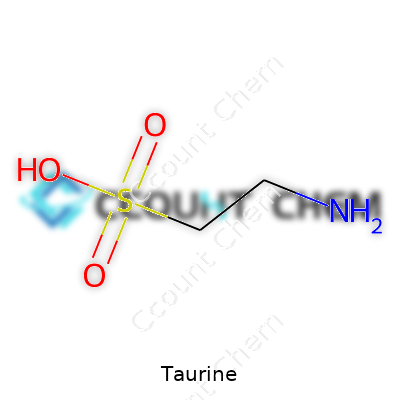
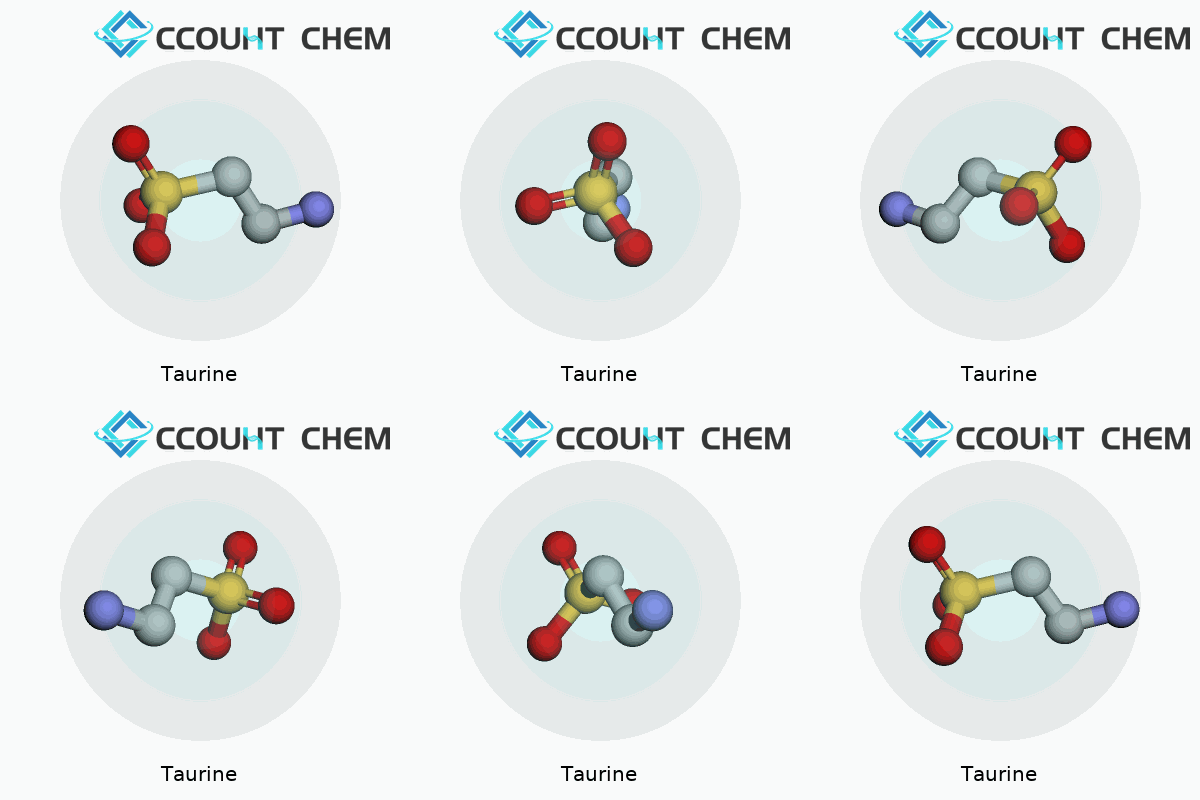
| Names | |
| Preferred IUPAC name | 2-aminoethane-1-sulfonic acid |
| Other names |
2-aminoethanesulfonic acid aminosulfonic acid tauric acid |
| Pronunciation | /ˈtɔːr.iːn/ |
| Identifiers | |
| CAS Number | 107-35-7 |
| 3D model (JSmol) | `3D model (JSmol)` string for Taurine: ``` CCS(=O)(=O)N ``` |
| Beilstein Reference | 1718732 |
| ChEBI | CHEBI:15891 |
| ChEMBL | CHEMBL1137 |
| ChemSpider | 1090 |
| DrugBank | DB01944 |
| ECHA InfoCard | 03b9d7be-5063-40d9-bc8c-55c757b601bb |
| EC Number | 3.7.1.1 |
| Gmelin Reference | 83167 |
| KEGG | C00245 |
| MeSH | D013604 |
| PubChem CID | 1123 |
| RTECS number | XN8225000 |
| UNII | YU55MQ3IZY |
| UN number | UN3077 |
| CompTox Dashboard (EPA) | DTXSID5020575 |
| Properties | |
| Chemical formula | C2H7NO3S |
| Molar mass | 125.15 g/mol |
| Appearance | White crystalline powder |
| Odor | Characteristic |
| Density | 1.00 g/cm³ |
| Solubility in water | Very soluble |
| log P | -2.81 |
| Acidity (pKa) | 1.5 |
| Basicity (pKb) | -9.1 |
| Magnetic susceptibility (χ) | −50.0·10⁻⁶ cm³/mol |
| Refractive index (nD) | 1.651 |
| Viscosity | 1000 mPa·s |
| Dipole moment | 7.639 D |
| Thermochemistry | |
| Std molar entropy (S⦵298) | 137.2 J·mol⁻¹·K⁻¹ |
| Std enthalpy of formation (ΔfH⦵298) | -625.7 kJ/mol |
| Std enthalpy of combustion (ΔcH⦵298) | -351.2 kJ/mol |
| Pharmacology | |
| ATC code | A16AA02 |
| Hazards | |
| Main hazards | May cause respiratory irritation. |
| GHS labelling | GHS07 |
| Pictograms | UN GHS pictograms for Taurine: `["\u26a0", "\ud83d\udd0b"]` |
| Signal word | Danger |
| Hazard statements | Hazard statements: Not a hazardous substance or mixture according to Regulation (EC) No. 1272/2008. |
| Precautionary statements | P264, P270 |
| NFPA 704 (fire diamond) | 1-0-0 |
| Flash point | > 230 °C |
| Autoignition temperature | 400 °C |
| Lethal dose or concentration | LD50 (Oral, Rat): > 5000 mg/kg |
| LD50 (median dose) | LD50: > 5000 mg/kg (rat, oral) |
| NIOSH | NOT LISTED |
| PEL (Permissible) | 3 mg/m3 |
| REL (Recommended) | 2000 mg |
| Related compounds | |
| Related compounds |
Cysteine Homotaurine Isethionic acid Taurocholic acid Taurocyamine |



